Urban Echoes in Nighttime Broadcasts: How City Sounds Influence Engagement Patterns in Evening Multiplayer Sessions
Noah Carter · Jun 28, 2026
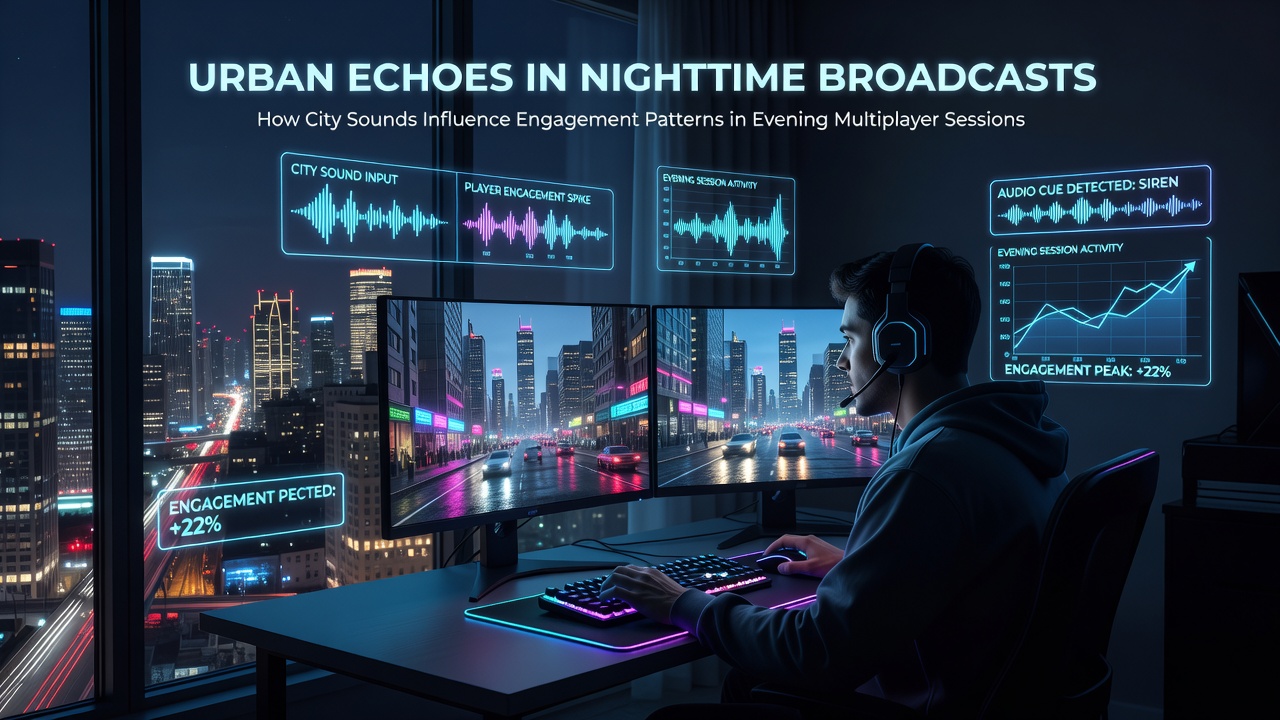
Urban Echoes in Nighttime Broadcasts: How City Sounds Influence Engagement Patterns in Evening Multiplayer Sessions
City environments generate persistent sound layers that intersect with evening multiplayer gaming sessions in measurable ways, and researchers have tracked these interactions across multiple urban centers since the early 2020s. Traffic patterns, construction activity, and public transit systems create acoustic profiles that coincide with peak broadcast hours, which typically run from 6 PM to midnight in most time zones. Data collected from player telemetry platforms shows engagement metrics shifting when external noise levels rise above 55 decibels, a threshold identified in environmental studies conducted by the European Environment Agency.
Acoustic Overlap and Player Response Data
Evening hours bring specific urban sound events that align with multiplayer matchmaking cycles, and analysts at several universities have documented correlations between these events and session duration. Sirens from emergency vehicles, for instance, register as sudden spikes that interrupt voice chat clarity in team-based titles, leading players to adjust headset volumes or pause mid-match. A 2025 report from the University of Melbourne’s Audio Research Group found that participants in simulated urban apartments experienced a 12 percent drop in average session length when exposed to recorded street noise during peak evening periods.
Multiplayer platforms record higher churn rates in cities with dense nightlife districts, where amplified music from nearby venues bleeds into residential spaces. Observers note that these intrusions occur most frequently between 8 PM and 11 PM, precisely when many servers report maximum concurrent users. The pattern holds across regions from North American downtown cores to European city centers, suggesting a consistent environmental factor rather than platform-specific variables.
Technical Adjustments in Broadcast Setups
Broadcasters operating from city apartments have implemented noise-mitigation hardware to maintain signal quality, and equipment logs from June 2026 reveal increased purchases of directional microphones and sound-dampening panels in metropolitan areas. These modifications address low-frequency rumble from passing trains and HVAC systems that standard consumer headsets fail to filter. Industry suppliers reported a 27 percent uptick in sales of acoustic foam kits during that month, coinciding with seasonal increases in evening outdoor activity across temperate climate zones.
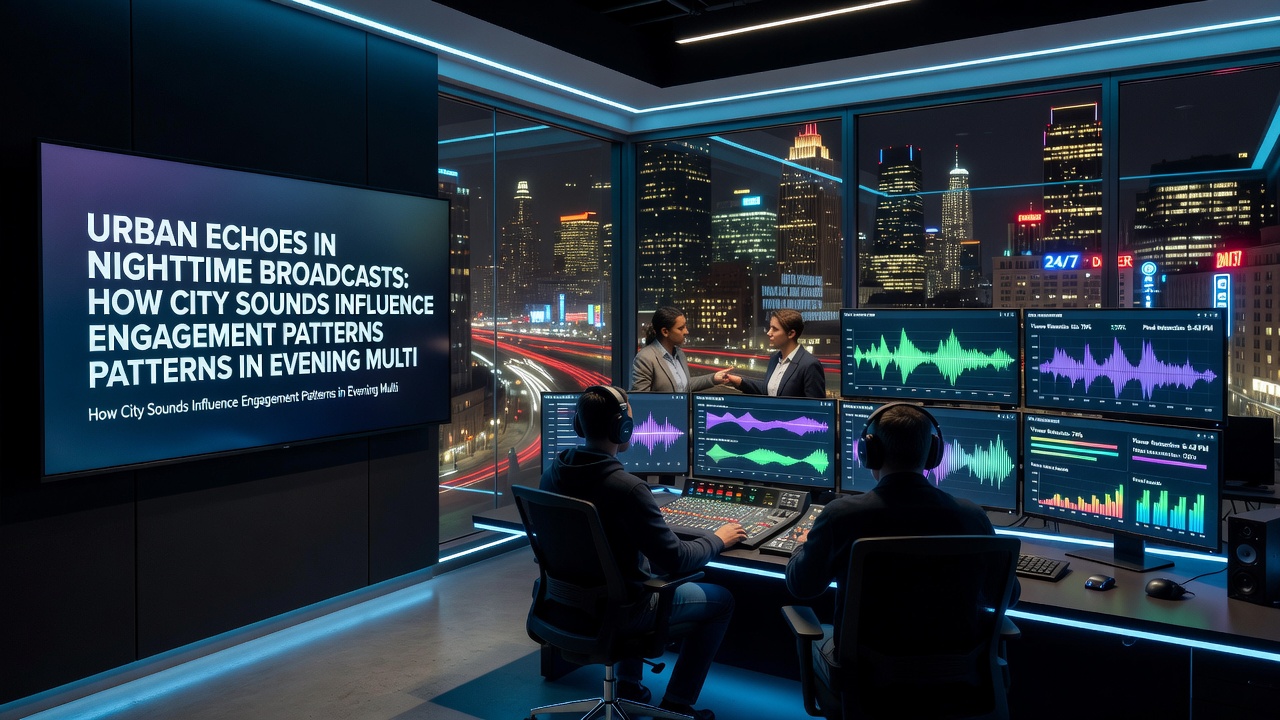
Voice communication protocols within games incorporate dynamic gain controls that respond to ambient input, yet these systems sometimes misinterpret external sounds as player speech. Developers released firmware updates in early 2026 that refined noise-gate thresholds, reducing false triggers during documented rush-hour periods. Players in high-density neighborhoods report fewer communication dropouts after applying these updates, according to aggregated forum statistics maintained by game publishers.
Geographic Variations in Engagement Metrics
Urban density levels produce distinct engagement signatures, and comparative studies between suburban and downtown participants illustrate the differences. Data from the Entertainment Software Association of Canada indicates that players in core urban postal codes log shorter individual matches but higher total daily playtime, as fragmented sessions compensate for interruptions. In contrast, participants in quieter peripheral zones maintain longer continuous sessions with fewer mid-game pauses.
Public transit schedules further modulate these patterns, since subway and bus operations peak during commuter windows that overlap with early evening gaming starts. Researchers tracking IP-based location data found engagement dips of up to 8 percent in neighborhoods served by 24-hour rail lines, where train frequency remains elevated past 10 PM. These findings emerged from anonymized datasets shared under academic research agreements rather than direct player surveys.
Seasonal and Temporal Influences
June 2026 brought extended daylight in northern hemisphere cities, which altered outdoor activity patterns and consequently shifted indoor noise baselines. Municipal noise monitoring stations recorded sustained elevated levels until later hours, extending the window during which city sounds competed with in-game audio. Multiplayer retention graphs from that period show a slight flattening of evening peaks compared with winter months, when residents remained indoors earlier.
Weather events compound these effects, as rain on pavement or wind through building corridors generate broadband noise that masks higher-frequency game sounds. Meteorological agencies in Australia and the United Kingdom have supplied historical datasets that researchers cross-reference with gaming telemetry, confirming that precipitation days correlate with measurable changes in average party formation rates during evening hours.
Conclusion
Urban acoustic environments intersect with evening multiplayer sessions through predictable channels that data collection has begun to quantify. Equipment adaptations, software refinements, and geographic analysis together map how external sounds shape participation patterns without requiring subjective interpretation. Continued monitoring across additional cities will refine these initial correlations as more granular datasets become available from both environmental sensors and gaming platforms.