Syncing Tunes with Plot Twists: Broadcasters' Approaches to Audio Integration During Story-Rich Playthroughs
Zara Schwarz · May 22, 2026
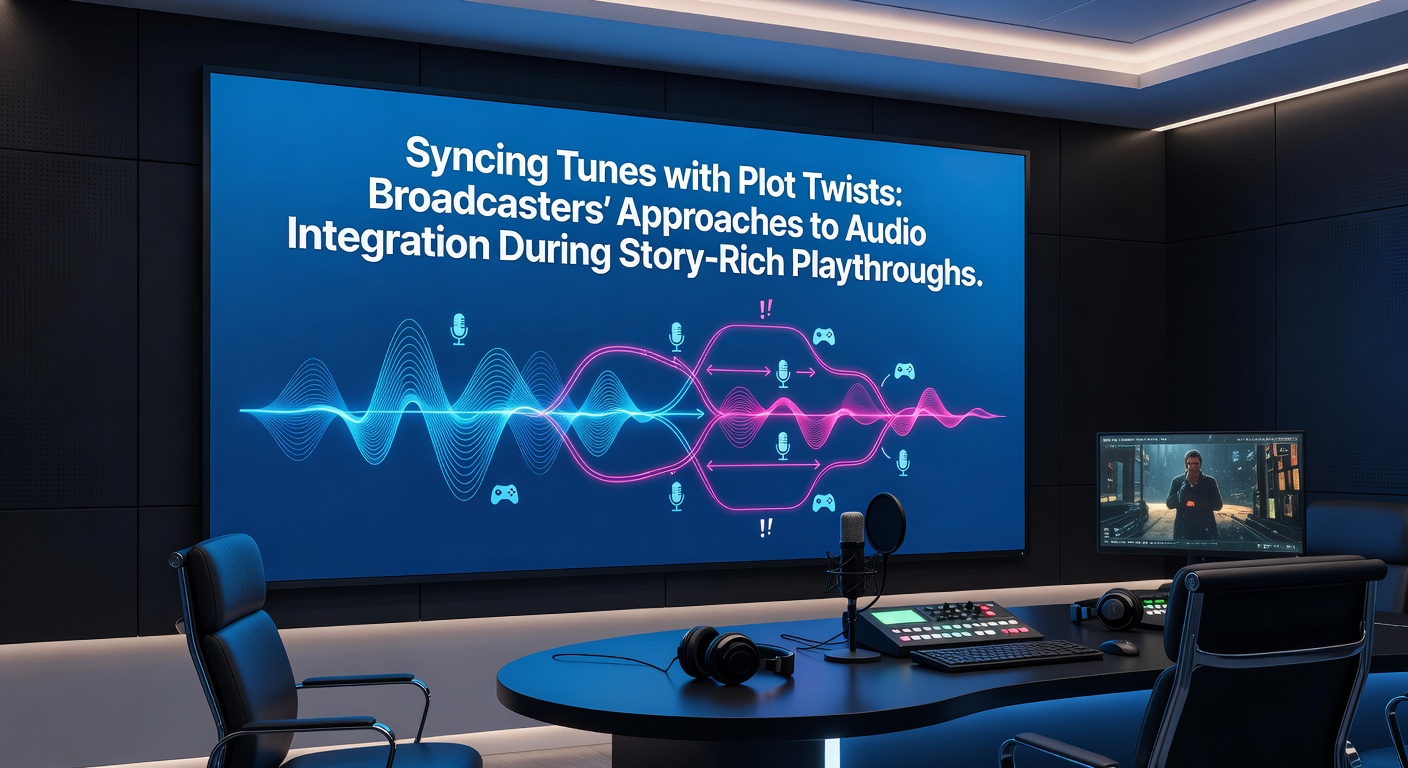
Syncing Tunes with Plot Twists: Broadcasters' Approaches to Audio Integration During Story-Rich Playthroughs
Broadcasters working with story-rich titles often layer external music tracks over in-game audio to heighten emotional beats and plot developments, and they coordinate these additions through precise timing cues drawn from game scripts or prior play sessions. This method allows the soundtrack to swell exactly when a revelation hits or tension peaks, creating a layered auditory experience that complements rather than overrides the original sound design. Research from industry reports shows that such synchronization correlates with extended viewer dwell times during key narrative sequences, since audiences respond to the combined audio cues as a single immersive package.Core Techniques for Timing Music with Narrative Beats
Streamers typically prepare playlists segmented by act or chapter, then trigger tracks via hotkeys or automation software that aligns with on-screen events marked in advance. One established practice involves mapping major twists to specific timestamps gathered during rehearsal runs, after which live adjustments fine-tune volume fades or tempo shifts to match character dialogue pacing. Data indicates that broadcasters who employ this pre-mapping see measurable improvements in chat engagement spikes at those precise moments, because the music reinforces the emotional weight without clashing against voice lines or ambient effects.
Another approach relies on dynamic mixing tools that monitor game audio output in real time and automatically duck external tracks when dialogue intensifies. Broadcasters who integrate these tools report smoother transitions across extended sessions, while viewers remain focused on unfolding events rather than noticing abrupt audio changes. Observers note that this technique gained wider adoption after platform updates in early 2025 introduced better low-latency audio routing options, setting the stage for further refinements observed throughout May 2026 when several major titles released with enhanced narrative branching structures.
Platform Tools and Software Adaptations
Current streaming software packages now include built-in audio buses that separate game sound, voice commentary, and curated music stems, allowing independent level control during playthroughs. Broadcasters route these buses through virtual mixers that respond to hotkey commands or MIDI controllers mapped to story milestones, which keeps hands free for gameplay while maintaining precise audio placement. Figures from gaming hardware analyses reveal that adoption of multi-bus configurations rose steadily among narrative-focused channels between 2024 and 2026, driven by the need to handle longer sessions without audio fatigue for either streamer or audience.
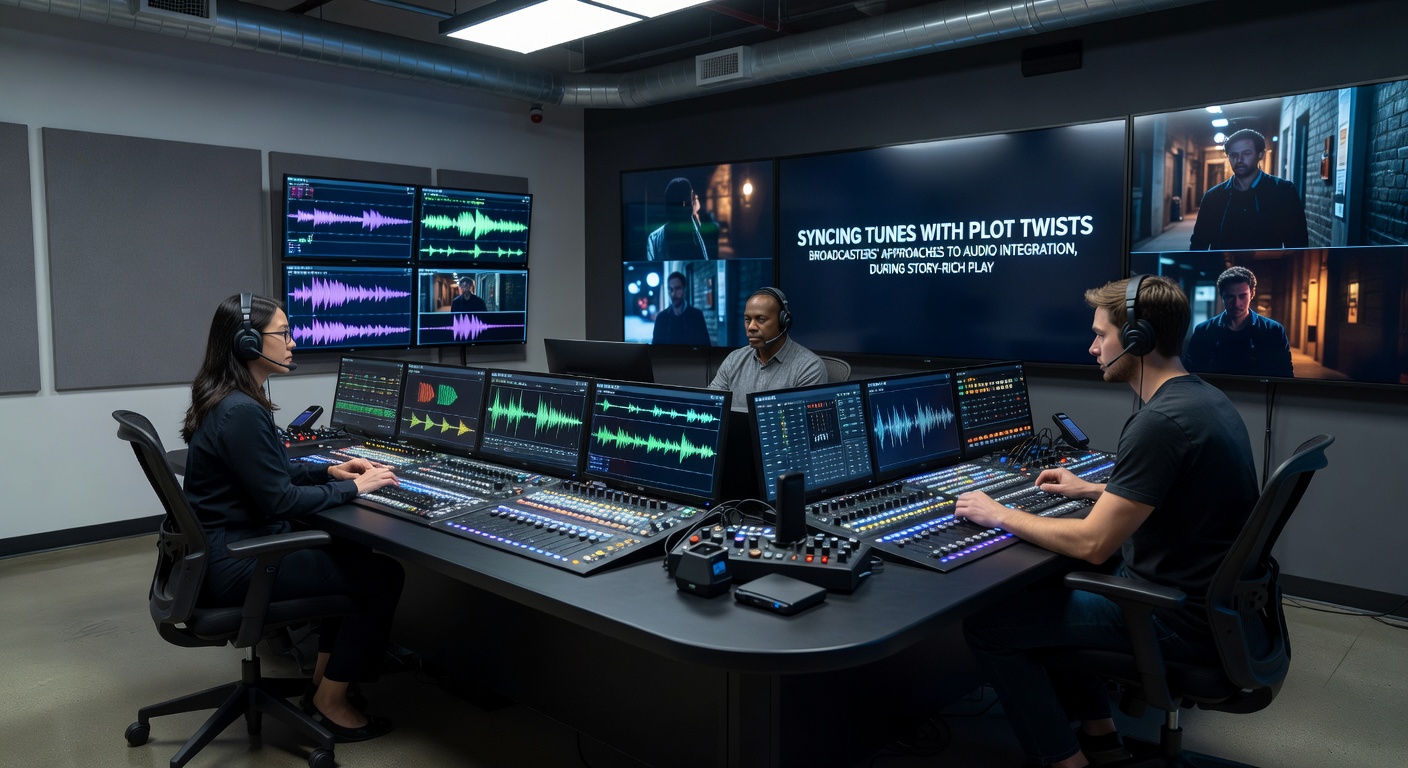
Some teams extend this setup with companion apps that pull metadata from game save files or community wikis to suggest music cues automatically. These suggestions appear as on-screen prompts that the broadcaster can accept or override with a single click, preserving flow while reducing preparation time between streams. According to reports compiled by the Entertainment Software Association, titles emphasizing player choice and multiple endings benefit most from such adaptive systems because they reward repeated viewings with fresh audio interpretations each time.
Viewer Retention Patterns and Regional Variations
Analytics platforms track how audio layering influences drop-off rates, and patterns show that synchronized tracks reduce mid-session exits during slower exposition sections by maintaining auditory interest. Broadcasters in North American markets tend to favor upbeat or orchestral overlays for action-oriented reveals, whereas European and Asian counterparts often select minimalist ambient pieces that echo the game's native scoring style. These regional preferences surface in cross-platform data sets that compare retention metrics across different time zones and cultural audiences.
Case examples drawn from public stream archives illustrate how one broadcaster handling a branching narrative title used subtle leitmotif variations to signal alternate plot paths, resulting in viewers returning for subsequent playthroughs to experience the audio shifts. Such methods rely on careful cataloging of track libraries and consistent application across episodes, which builds audience familiarity with the sonic language being employed. Research compiled by the Interactive Software Federation of Europe highlights that these consistent sonic strategies contribute to higher completion rates for story campaigns when measured against streams that rely solely on in-game audio.
Emerging Practices in Mid-2026 Broadcasts
By May 2026 several broadcasters had begun experimenting with AI-assisted beat detection that flags upcoming dialogue peaks and suggests music adjustments in advance. These tools analyze both game audio waveforms and chat sentiment indicators to recommend volume or track swaps that keep the overall mix balanced. Early adoption data points to reduced technical interruptions during live sessions, allowing focus to remain on performance rather than constant monitoring of audio meters.
Training sessions hosted by community organizations now include modules on copyright-cleared music libraries tailored for narrative integration, ensuring compliance while expanding creative options. Participants learn to construct cue sheets that align external compositions with in-game events without introducing licensing conflicts, a step that has become standard for channels scaling their story-rich content. This preparation supports longer marathon streams where multiple plot threads converge and demand seamless audio continuity.
Conclusion
Audio integration during story-rich playthroughs continues to evolve through a combination of pre-planned cue systems, real-time mixing software, and platform-specific features that emerged prominently by mid-2026. Broadcasters who apply these methods consistently demonstrate measurable gains in session length and repeat viewership, while viewers experience heightened emotional resonance from the combined soundtrack. Ongoing refinements in detection tools and regional adaptation strategies point toward further standardization across the sector in the months ahead.