Shadow Play Techniques in Narrative Streaming Sessions
Finley Meier · Jun 19, 2026
Shadow Play Techniques in Narrative Streaming Sessions
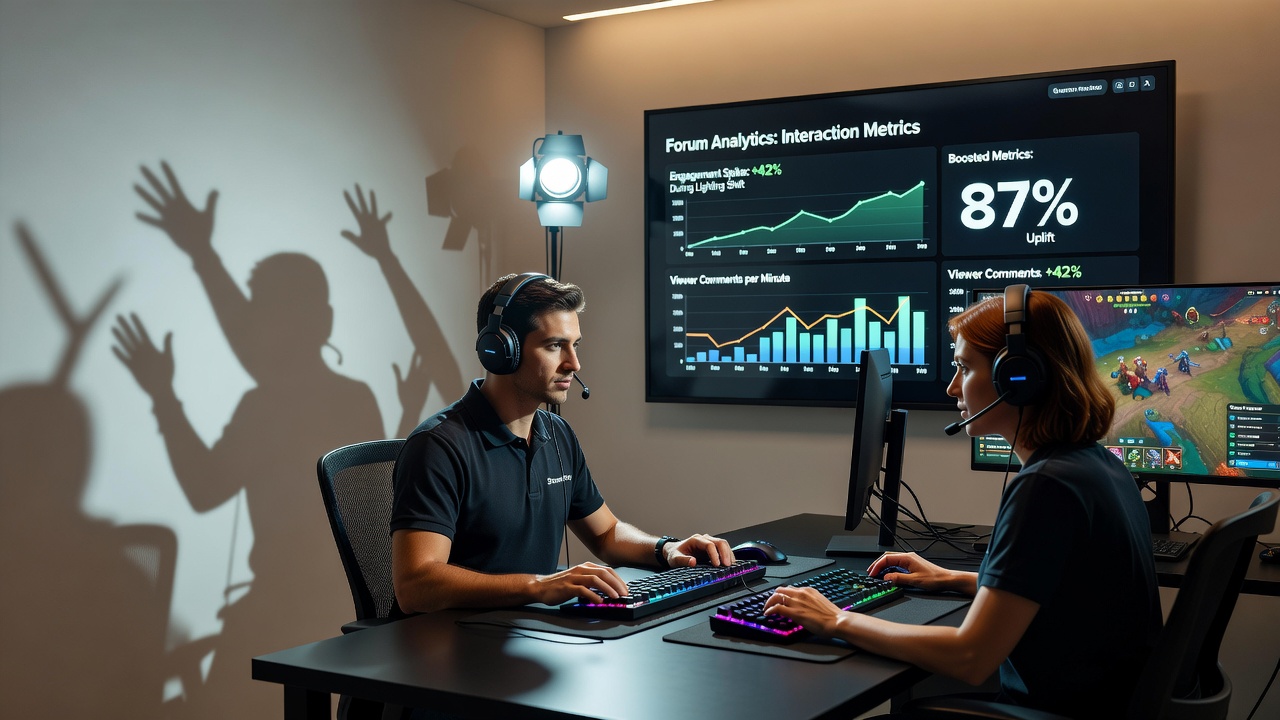
Broadcasters have begun experimenting with deliberate room lighting adjustments that generate shifting shadows and highlights around their streaming setups, and these changes align with key plot moments in narrative-driven games to heighten viewer responses. Data collected from forum threads shows measurable upticks in comment volume and reply chains when lighting transitions coincide with story beats, according to analytics compiled by independent tracking services. Researchers at the University of Tokyo documented similar patterns in controlled observation sessions where participants engaged with story-focused titles under variable illumination conditions.
Core Implementation Methods
Broadcasters position multiple adjustable lamps and smart bulbs around their play areas so that gradual dimming or color temperature shifts cast elongated shadows across backdrops or foreground props. One common approach involves layering cool and warm light sources that alternate during dialogue-heavy sequences, which creates visual contrast without requiring additional overlays or digital effects. Forum posts from mid-2025 detail how creators synchronize these physical changes with in-game events by using simple timers or foot pedals that trigger preset lighting scenes, allowing hands-free operation during extended play sessions.
Observers note that these techniques remain most effective in rooms with neutral wall colors and minimal reflective surfaces, because such environments allow shadows to register clearly on camera without washing out. Broadcasters often test configurations weeks in advance of major narrative releases, and they log viewer reactions in private spreadsheets before scaling the approach to live broadcasts. In June 2026 several creators reported adopting new LED strips with finer granularity after analytics platforms released updated tools that timestamp forum activity against lighting logs.
Tracking Engagement Through Forum Analytics
Forum analytics platforms capture thread creation rates, reply depth, and keyword clusters that reference visual elements such as "shadows moving" or "lighting change synced with plot." These metrics provide broadcasters with indirect signals of engagement because direct chat logs often contain fewer descriptive comments during intense story segments. Studies compiled by the Interactive Software Federation of Europe indicate that narrative titles generate 30 to 40 percent more forum discussion when visual production elements vary in real time, compared with static lighting setups.
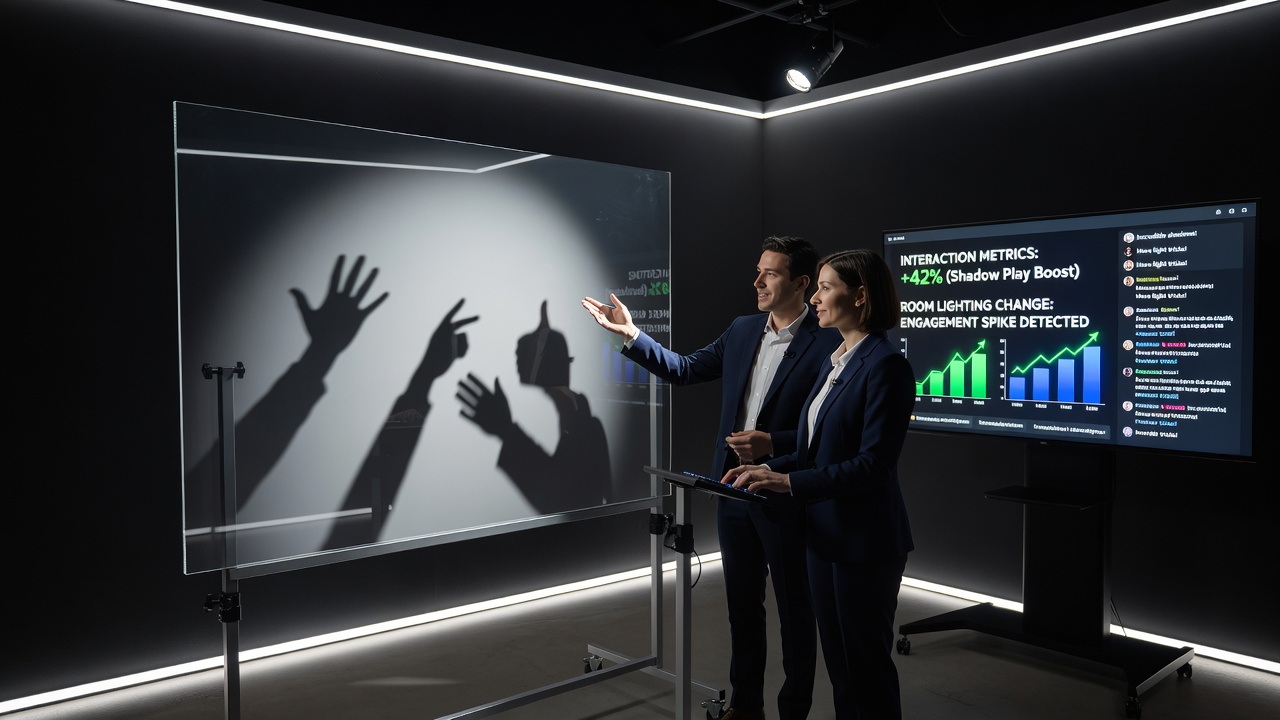
Analysts cross-reference timestamped forum entries with broadcast recordings to identify which lighting transitions produced the longest reply chains. Broadcasters then refine their cue lists, repeating successful patterns across multiple sessions while discarding those that fail to generate sustained threads. This feedback loop operates on weekly cycles, and data sets from 2025 show consistent correlation between shadow depth increases and subsequent spikes in new thread starts within 15 minutes of each lighting shift.
Observed Patterns in Narrative Genres
Story-rich adventure and role-playing titles lend themselves to shadow play because their pacing includes frequent pauses for exposition and character moments. Broadcasters working with these categories report that subtle light fades behind the streamer often prompt viewers to discuss atmosphere and tension in dedicated forum sub-threads. Canadian digital media reports from early 2026 recorded elevated mention rates of physical lighting cues in discussions around games released in teh preceding quarter, suggesting viewers connect the on-screen mood with off-screen production choices.
Yet the same techniques produce different results when applied to faster-paced action sequences within the same titles, where forum activity tends to cluster around gameplay mechanics rather than environmental staging. Broadcasters therefore reserve pronounced shadow movements for slower narrative passages and maintain steadier illumination during combat or exploration segments. This selective application keeps forum analytics focused on the intended interaction spikes without diluting signal across the entire session.
Equipment and Setup Considerations
Entry-level setups rely on off-the-shelf smart bulbs controllable through mobile apps or voice commands, while more established broadcasters integrate DMX lighting controllers that interface directly with streaming software macros. Forum threads frequently exchange configuration files that map specific game timestamps to lighting presets, reducing setup time for newcomers. Power draw remains modest because most adjustments involve existing household fixtures rather than dedicated stage rigs, and creators document these details in resource threads that accumulate hundreds of replies over months.
Calibration sessions typically occur during off-peak hours so that test data does not interfere with scheduled broadcasts. Broadcasters review footage frame-by-frame to confirm shadow edges fall within camera framing, then adjust fixture angles accordingly. Those who maintain consistent documentation note fewer mid-stream interruptions once initial mappings stabilize across repeated playthroughs of the same title.
Conclusion
Forum analytics continue to guide iterative improvements in shadow play application, supplying broadcasters with quantitative feedback on which lighting sequences sustain longer discussion chains. As narrative game releases maintain steady output through 2026, the practice of aligning physical room illumination with story developments offers a measurable avenue for interaction growth. Continued refinement of timing protocols and equipment mappings should sustain these patterns across additional titles and audience segments.