Seasonal Event Integrations Shape Revenue for Broadcasters Focused on Lesser-Known Games
Noah Carter · Aug 21, 2026
Seasonal Event Integrations Shape Revenue for Broadcasters Focused on Lesser-Known Games
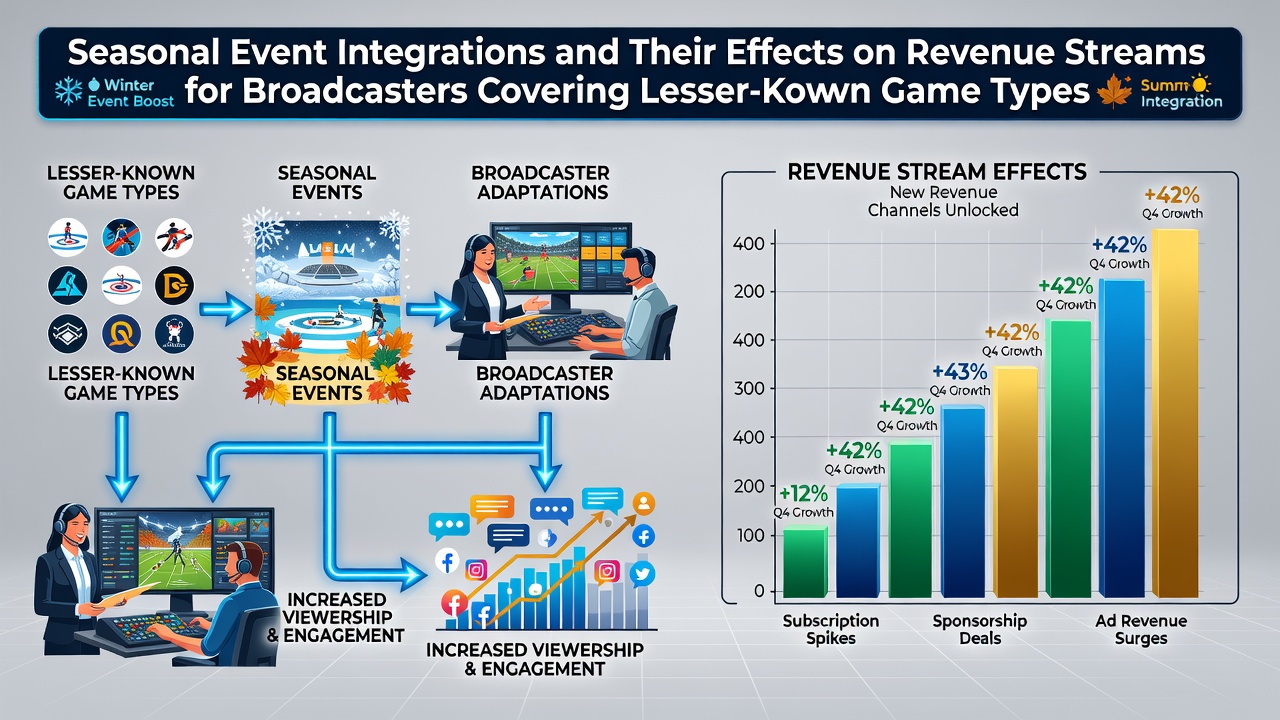
Broadcasters covering lesser-known game types have integrated seasonal events into their schedules to align with in-game updates that appear during holidays and themed periods, and these integrations have produced measurable shifts in multiple revenue streams including subscriptions, donations, and sponsorship placements. Data from industry reports show that niche titles often release limited-time content around events such as harvest festivals or winter celebrations, which draws concentrated viewer attention during those windows and supports higher interaction rates compared to standard broadcasts.
Patterns in Event Timing and Audience Overlap
Broadcasters who schedule streams around seasonal game content report increased session lengths because viewers return repeatedly to participate in time-limited challenges or collectibles, and this behavior correlates with elevated ad inventory utilization during peak overlap hours. Research indicates that August 2026 will feature several back-to-school themed updates in simulation and exploration titles, prompting some broadcasters to adjust their calendars in advance to capture overlapping regional audiences who follow both academic cycles and game releases. Those adjustments have allowed certain creators to maintain consistent viewership across multiple time zones without relying on mainstream esports calendars.
Revenue Stream Variations Across Donation and Subscription Models
Donation activity tends to rise when broadcasters highlight seasonal milestones within lesser-known titles, because participants often tie contributions to specific in-game achievements or collective goals that unfold over the event period. Subscription counts also show upward movement in the days following event launches, as returning viewers convert at higher rates when they encounter familiar seasonal mechanics that reduce onboarding friction for new arrivals. Figures from trade analyses reveal that broadcasters who layer multiple lesser-known games with complementary seasonal themes achieve steadier month-to-month revenue than those who focus on single titles without event alignment.
Case Examples from Niche Categories
One group of broadcasters who cover indie farming simulators noted that autumn harvest events generated repeated donation surges tied to community challenges, while spring planting updates produced steadier subscription growth through extended play sessions. Another set working with puzzle and exploration games documented similar patterns around winter holiday releases, where limited cosmetics drove viewer retention and supported incremental ad revenue through prolonged watch times. These examples illustrate how seasonal integrations function across different lesser-known genres without requiring large-scale esports infrastructure.
Measurement Approaches and Data Indicators
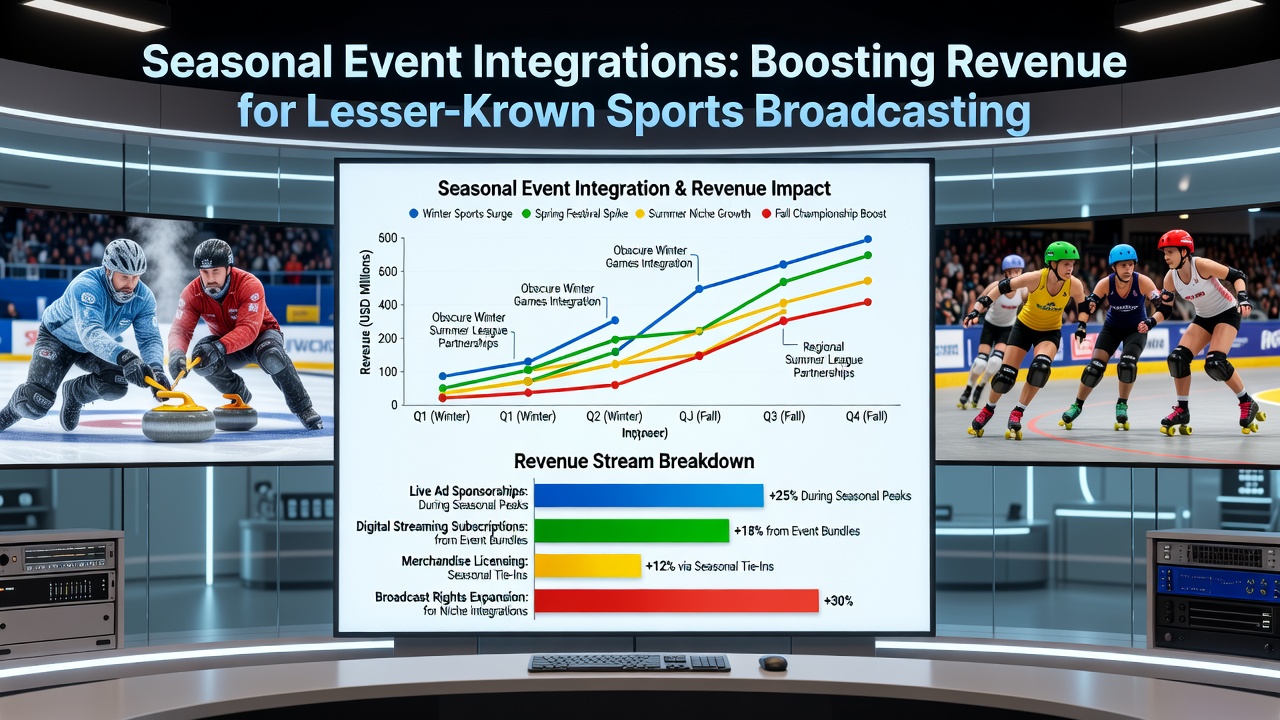
Broadcasters track revenue effects through platform analytics that segment performance by event windows, and comparisons between event and non-event periods have shown consistent lifts in average revenue per viewer for those covering lesser-known titles. External benchmarks from the Entertainment Software Association provide context on how seasonal content releases influence overall engagement metrics across game categories. Additional reports from the Interactive Games & Entertainment Association in Australia highlight regional variations in viewer response to themed updates, which broadcasters use to refine scheduling decisions for cross-border audiences.
Sponsorship and Cross-Promotion Opportunities
Sponsorship placements gain traction when broadcasters align seasonal game events with brand campaigns that match thematic elements such as harvest festivals or winter celebrations, and these alignments have produced longer-term partnership renewals for creators focused on niche genres. Cross-promotion with game developers who release seasonal patches further amplifies reach, because shared marketing assets reduce individual promotion costs while increasing simultaneous viewer exposure across platforms. Observers note that such arrangements remain most effective when broadcasters maintain consistent coverage of lesser-known titles rather than shifting focus during high-traffic mainstream periods.
Conclusion
Seasonal event integrations continue to influence revenue streams for broadcasters who specialize in lesser-known game types by creating predictable spikes in engagement that translate into sustained subscription and donation activity. Broadcasters who align their schedules with documented release patterns achieve more stable returns across multiple revenue categories, and ongoing data collection from industry sources supports further refinement of these approaches as new seasonal content cycles emerge each year.