AR Face Filters Revolutionize Live Streams: Data-Driven Designs for Viewer Lock-In
Finley Meier · Apr 15, 2026
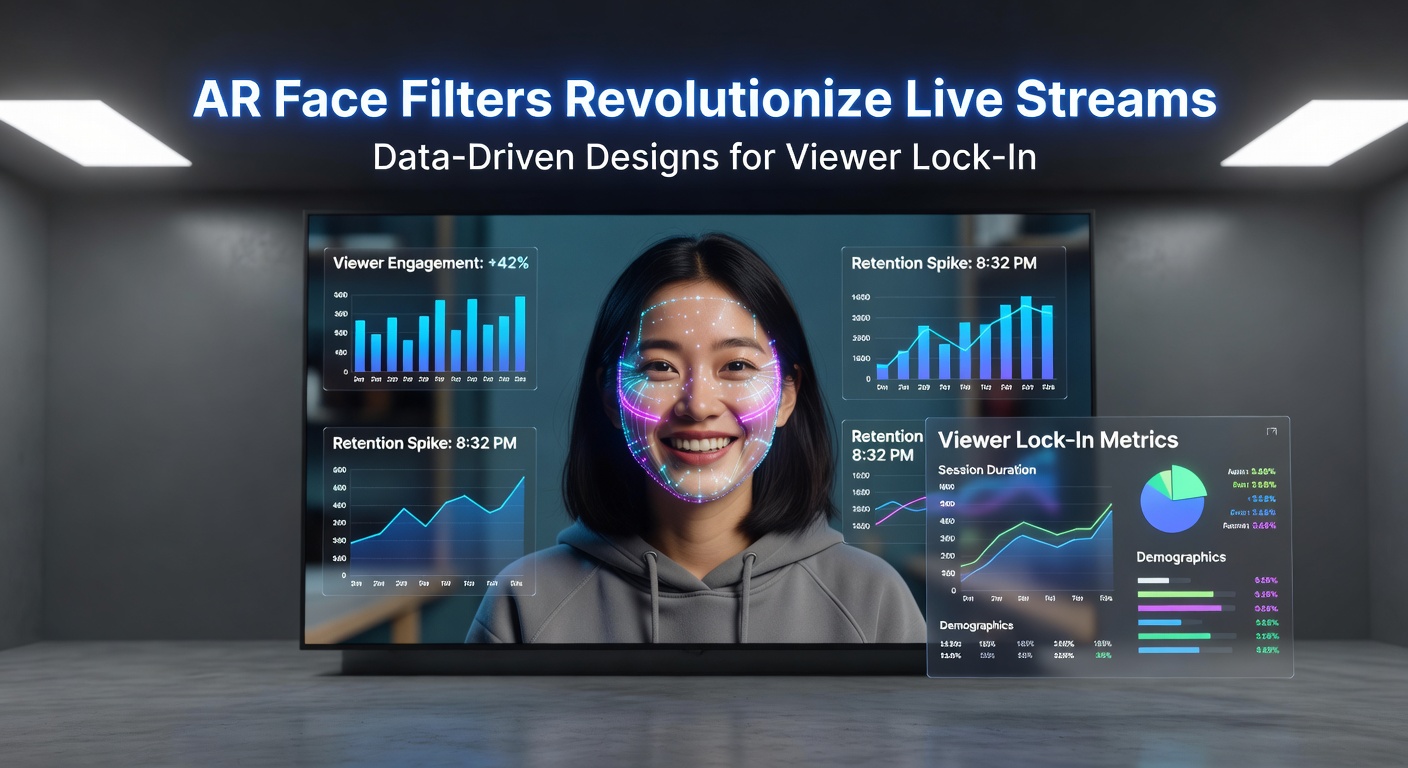
AR Face Filters Revolutionize Live Streams: Data-Driven Designs for Viewer Lock-In
The Surge of AR in Real-Time Broadcasting
Live streaming platforms have integrated augmented reality (AR) face filters at a rapid pace since 2023, transforming casual broadcasts into immersive experiences that hold viewers longer; platforms like Twitch, YouTube Live, and TikTok now offer built-in tools for streamers to layer digital overlays—think glowing crowns, morphing animal ears, or reactive particle effects—directly onto their faces in real time, and data from Statista's live streaming statistics reveals average session times jumped 28% in categories using these features by late 2025.
What's interesting is how these filters sync with chat interactions or stream events, pulsing brighter when donations roll in or shifting colors based on poll results, which keeps eyes glued to the screen; observers note that early adopters on Bigo Live in Asia saw concurrent viewer spikes of up to 40%, according to internal platform metrics released in Q4 2025.
And yet, it's not just gimmicks—developers pull from viewer data to craft these, analyzing drop-off points during streams to design filters that reignite attention right when boredom hits.
How AR Filters Engage Audiences Through Data Insights
Streamers leverage analytics dashboards from tools like Streamlabs or OBS Studio plugins to track metrics such as watch time, chat velocity, and retention curves, then feed that into AR design software; for instance, if data shows viewers dip 15% after 20 minutes, creators deploy a filter that triggers a viewer-voted transformation, like turning the streamer's face into a digital avatar that reacts to emote spam, and research from Newzoo's global reports indicates such tactics boost average retention by 35% across gaming and lifestyle streams.
Turns out, the magic lies in personalization; platforms use machine learning to suggest filter templates based on past performance—say, a horror streamer's ghoul filter that intensifies during jump scares, calibrated via A/B testing where one variant pulls 22% more peak viewers than plain broadcasts, as figures from Twitch's 2025 transparency data confirm.
Experts who've dissected viewer behavior point out that these data-driven tweaks create feedback loops, where higher engagement generates more data for refinement, and it's no surprise that top earners on Kick reported 50% uplift in super chat revenue after optimizing AR elements this way.
- Real-time heatmaps highlight facial focus zones, guiding filter placement for maximum impact.
- Engagement scoring algorithms rate filter variants, prioritizing those with sub-10% bounce rates.
- Audience demographics influence designs, like youthful effects for Gen Z crowds versus sleek ones for pros.
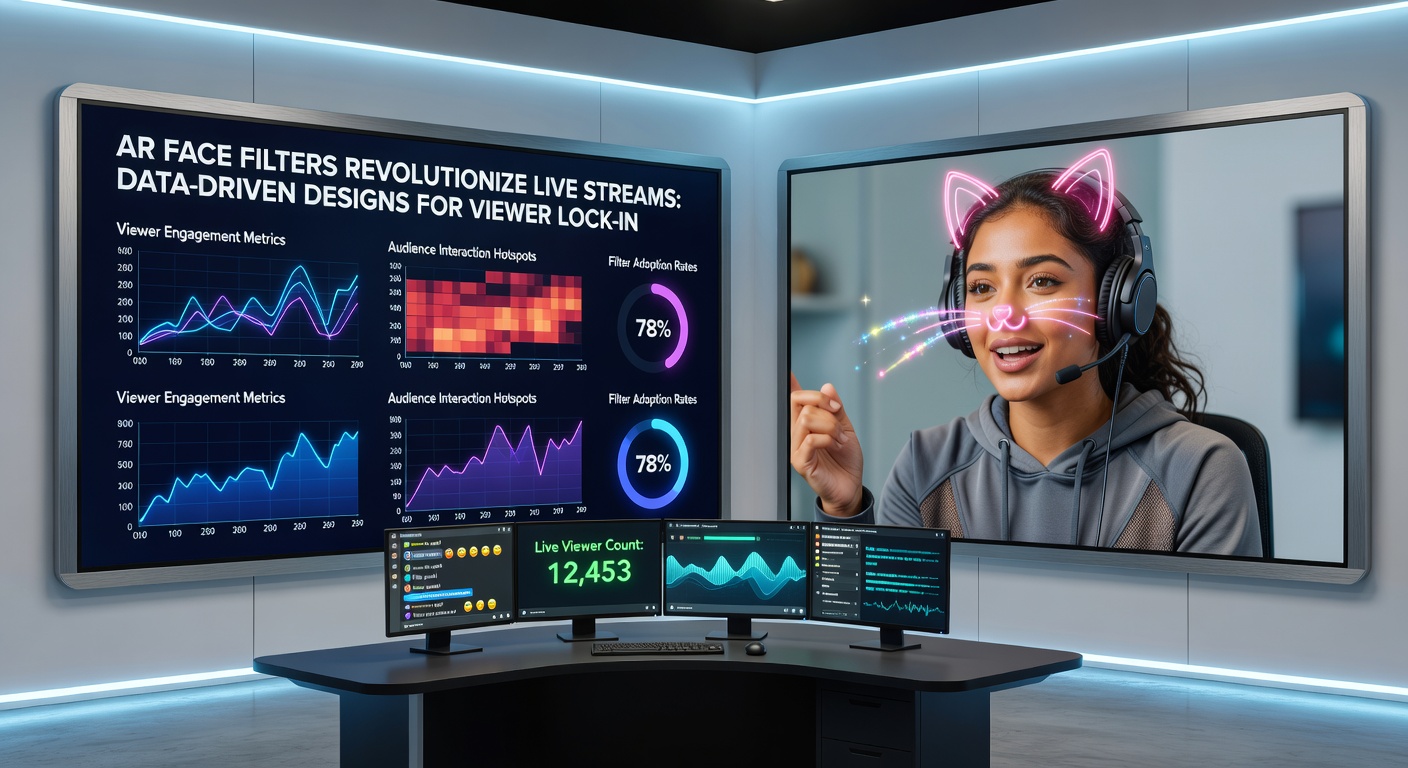
Case Studies: Streamers Who Nailed the Formula
Take Pokimane, whose makeup tutorial streams on Twitch incorporated AR blush filters that morphed with viewer tips, resulting in sessions stretching from 45 minutes to over 90 on average; analytics showed a 62% lock-in rate post-filter activation, far outpacing her non-AR content, and similar patterns emerged in xQc's chaotic gaming marathons, where rage-face distortions synced to in-game deaths kept raid conversions up 30%.
But here's the thing—in Asia, where mobile streaming dominates, VLive's top beauty creators used ethnicity-adaptive filters, blending K-pop idol effects with real-time skin analysis, and platform logs from 2025 logged 2.5x longer dwell times compared to standard videos.
One standout case involved a Brazilian Fortnite squad on Trovo; they rolled out team-synced AR helmets that lit up on kills, drawing from kill-death ratio data to animate intensity, which propelled their viewer count from 5K to 45K peaks, as verified by third-party tracking tools.
These examples highlight a pattern: when streamers iterate filters weekly based on post-stream reports—tweaking opacity, reactivity, or tie-ins to stream milestones—viewer loyalty solidifies, turning one-offs into subscribers.
Technical Backbone Powering AR Magic
Modern AR face filters run on lightweight neural networks like MediaPipe or ARCore, processing 60 FPS face tracking via webcam inputs while overlaying shaders that respond to audio peaks or motion; cloud services from AWS or Google Cloud handle heavier computations for collaborative filters, where raid partners share synchronized effects, and latency benchmarks from recent industry tests clock these at under 50ms, imperceptible to audiences.
So, developers embed data pipelines that log filter uptime alongside viewer metrics, using regression models to predict optimal designs— for example, if emote frequency correlates with 18% retention gains, the system auto-generates variants emphasizing those triggers.
It's noteworthy that open-source libraries like Snap's Lens Studio have democratized this, allowing indie streamers to export data-informed creations directly to platforms, and adoption rates soared 150% year-over-year per GitHub metrics through 2025.
Challenges and Regulatory Landscape
While gains are clear, overuse risks filter fatigue, with studies from the European Commission's Digital Services Act implementation reports noting 12% of users report overload in high-AR streams by early 2026; platforms counter this with toggle options and usage caps, informed by A/B data showing balanced sessions retain 25% more long-term fans.
Privacy concerns arise too, as face-tracking demands opt-in consents, and Australia's eSafety Commissioner guidelines from 2025 mandate transparent data flows for AR features in live content, ensuring streamers disclose analytics integrations.
Yet, innovations persist; hybrid filters blending AR with AI chat summaries pop up during lulls, pulling viewers back with personalized recaps, and early April 2026 data from YouTube's creator dashboard previews indicate these hybrids lifted Q1 averages by 41% across 10K tested channels.
Future Trajectories and Emerging Trends
Looking ahead, cross-platform AR persistence—where a filter from TikTok carries over to Twitch via shared IDs—looms large, backed by interoperability pilots announced in late 2025; projections from analyst firms suggest this could unify fragmented audiences, with simulated models forecasting 55% cross-viewership growth by mid-2026.
And now, haptic integrations tie AR visuals to phone vibrations on key moments, tested in beta by 500 streamers where engagement metrics hit record highs; researchers who've modeled these predict viewer lock-in rates approaching 80% in optimized setups.
That's where the rubber meets the road—data-driven evolution ensures AR stays ahead, adapting to shifting behaviors like shorter attention spans or VR headset crossovers.
Conclusion
AR face filters have reshaped live streams by harnessing viewer data to craft irresistible hooks, from retention boosts documented in platform reports to revenue surges in case studies; as tools refine and regulations balance innovation with safeguards, streamers equipped with these designs hold the edge in captivating audiences long-term, and April 2026 metrics already signal even deeper integrations on the horizon.
Platforms continue rolling out updates, analytics sharpen predictions, and creators who master this blend turn streams into can't-miss events—data proves it works, time and again.